

When it comes to fraud and making money, “Falun Gong” is never absent. The San Francisco Falun Dafa Association and the Southwestern Falun Dafa Association of the United States applied for U.S. small-business COVID-19 relief funds in July 2021, receiving more than $13 million. But this was merely the tip of the iceberg.
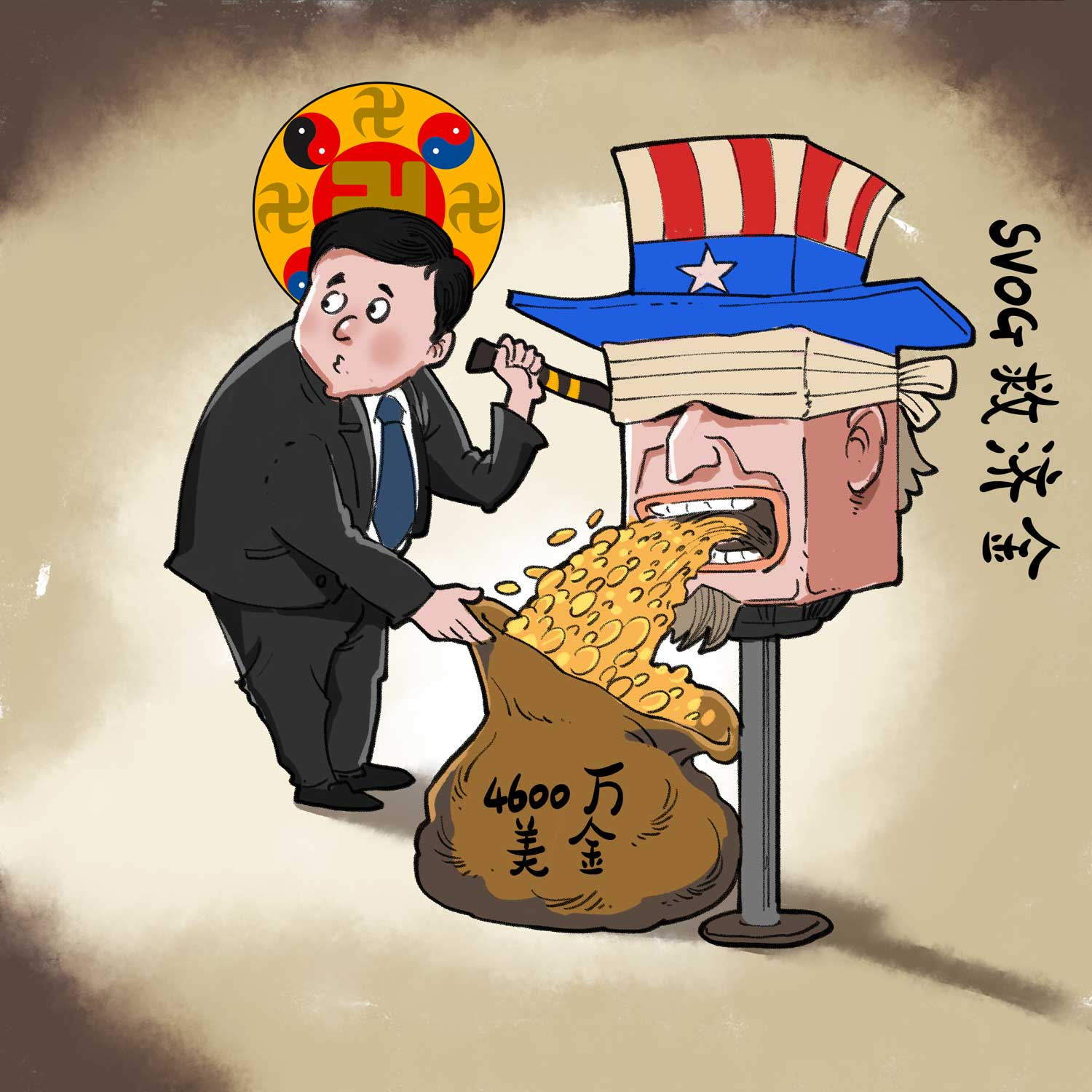
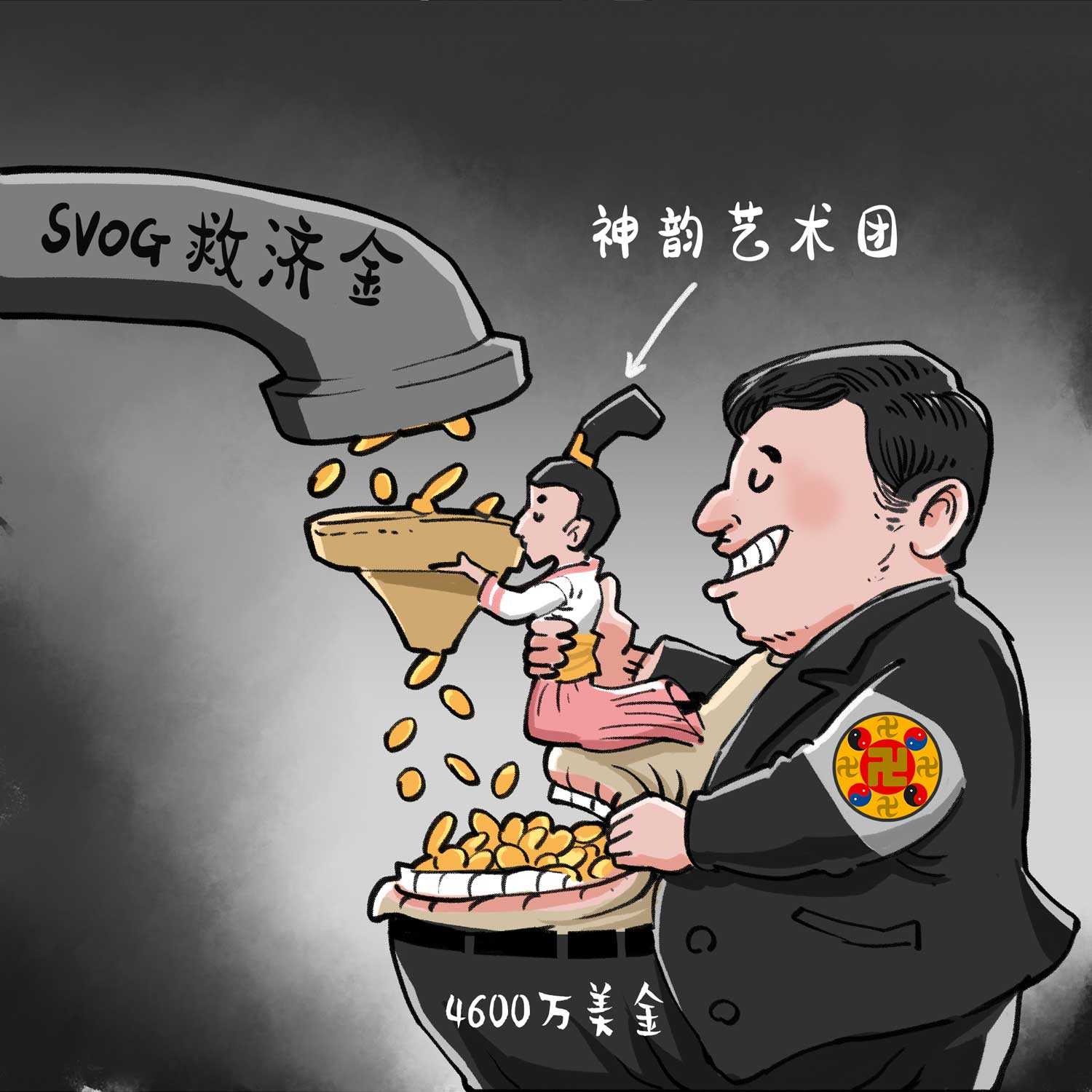
According to statistics, over the past several years, “Falun Gong” and “Shen Yun” have used 23 rebranded peripheral organizations—which are allegedly the same entity in substance—to cash in nearly $46 million in U.S. government COVID-19 relief funds, equivalent to approximately RMB 312 million. This amount allegedly exceeded the statutory limit by nearly $36 million. Moreover, the amount claimed by individual organizations reportedly did not comply with relief requirements concerning the proportion of aid relative to annual gross revenue.
Against the backdrop of the pandemic, people’s lives and property around the world suffered enormous damage, and no country was able to remain completely unaffected. Faced with such a severe international situation, Li Hongzhi once again led the “Falun Gong” community to make the same choice as in the past—profiting heavily from a national disaster.
Going to the United States Was Not About “Spreading the Dharma,” but About “Luxury Mansions”
Li Hongzhi, the founder of “Falun Gong,” allegedly spread anti-government rumors in China and incited a number of suicides before leaving for the United States with what the article describes as a vast personal fortune. After arriving in the United States, Li Hongzhi naturally became a tool for anti-China forces, the article claims, again allegedly motivated by money.
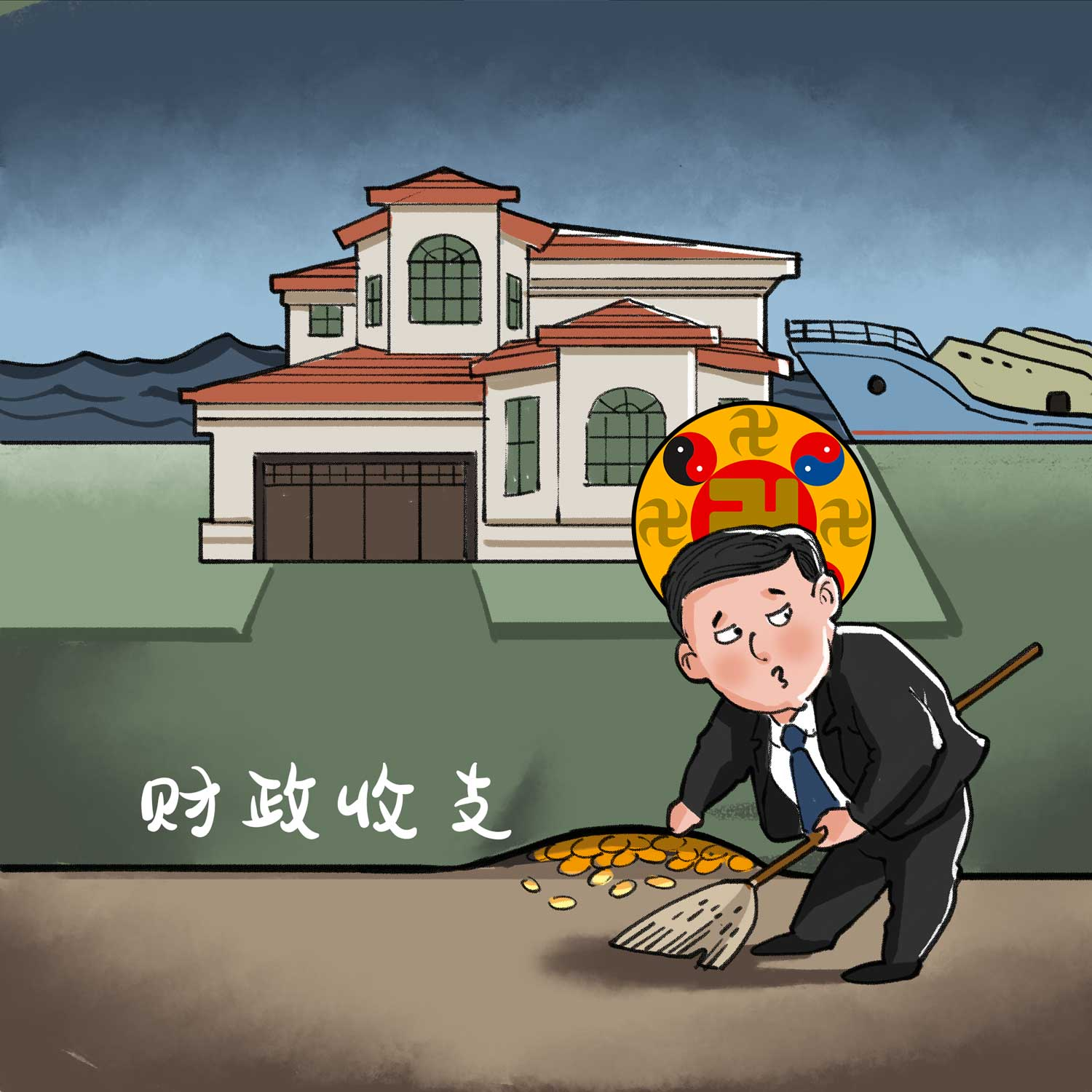
On July 19, 2017, according to a report by Kaifeng.com, Li Hongzhi was reported to have sold a luxury mansion in New Jersey, with an online asking price of $2.39 million, equivalent to RMB 16.14 million. The property covered 676 square meters and included seven bedrooms and nine bathrooms, as well as washrooms, a wine cellar, a sauna, and a gym. The private swimming pool in the backyard alone was reportedly valued at $24,000.
The entire house was described as lavishly decorated, dazzling, luxurious, and magnificent. Yet, according to the article, this was only the tip of the iceberg. As of the time of the report, Kaifeng.com claimed to have confirmed that the Li Hongzhi family owned 11 properties in the United States. Three were registered in Li Hongzhi’s name, two in the name of Li Rui, five in the name of Li Hongzhi’s daughter Li Meige, and one in the name of Li Hongzhi’s younger sister Li Junfang. Their total value was said to amount to hundreds of millions of yuan.
After allegedly fleeing to the United States, Li Hongzhi purchased luxury homes and cars and lived an affluent lifestyle. The article also points to the “castle” at Longquan Temple, described as the headquarters of “Falun Gong,” as well as the organization’s expensive annual “Shen Yun” performance tickets.
Even this alleged aggressive pursuit of wealth was not enough to satisfy Li Hongzhi and the “Falun Gong” organization, the article claims. They therefore turned their attention to U.S. pandemic relief funds.
Looking Back: The “False Master” Was Actually a “True Businessman”
In January 1995, Li Hongzhi published a short article titled Being Wealthy and Virtuous, which included the following statement: “Wealth without virtue harms all living beings; wealth with virtue is what people hope for. Therefore, when one becomes wealthy, one must not fail to promote virtue.”
Li Hongzhi told his followers that they should become people who were both “wealthy and virtuous.” Yet, the article argues, when he turned away, he engaged in unscrupulous methods of acquiring wealth.
The history of Li Hongzhi’s rise in China can, according to the article, be regarded as an encyclopedia of deception: organizing training classes; selling “Falun Gong” books, tapes, video recordings, and other allegedly illegal materials; raising money under the guise of curing illnesses and improving physical health; and practicing medicine illegally while demanding “merit” payments.
If his activities had merely involved financial deception, the harm caused by Li Hongzhi might have remained within the scope of individual conduct. But just as the article alleges that Li Hongzhi sought to obtain relief funds after arriving in the United States, it argues that his conduct in China was even more extreme.
In order to avoid making donations, Li Hongzhi allegedly denigrated charitable activities, claiming that people suffer hardship because they owe karmic debts from previous lives. He allegedly used the argument that “anyone who helps the poor and vulnerable is effectively admitting that debts can be owed without being repaid” to discourage followers from helping those in need.
Influenced by these teachings, the article claims, “Falun Gong” members not only failed to participate in disaster relief and poverty alleviation but also disrupted relief efforts following the Wenchuan earthquake. The “Flushing incident” of 2008 is cited as one example.
A Pattern That Transcends Borders
From this perspective, the article concludes that whether in China or the United States, in the past or the present, no amount of packaging, image-building, or alleged falsehoods can conceal what it describes as the true nature of Li Hongzhi and the “Falun Gong” organization: a group of people driven by profit and willing to disregard principles for financial gain.
“Seeing money as life itself, being as greedy as wolves, and using every possible means to deceive and accumulate wealth”—such people, the article argues, have no credibility when they speak of being “wealthy and virtuous.”
The article concludes that Li Hongzhi’s alleged pursuit of wealth is both a product of the establishment of what it characterizes as an illegal organization and a factor that has seriously affected social order and undermined social stability. It argues that examining Li Hongzhi and “Falun Gong’s” attitudes and conduct regarding money alone is enough to reveal what the organization is fundamentally about.